Enhancing the potential
of music therapy.
During this project I investigated the field of music therapy and aimed at developing a music making device specifically tailored for this application. With the help of experts I tried to reduce the obstacles that keep people from experiencing active music making while maximising the positive effects of music therapy.
Type
Individual Project
Master's Thesis
Methods
Qualitative research,
prototyping, user testing
Recognition
UX Awards Nominee 2022
Music Therapy
Tapping into the power
of music for non-musicians.
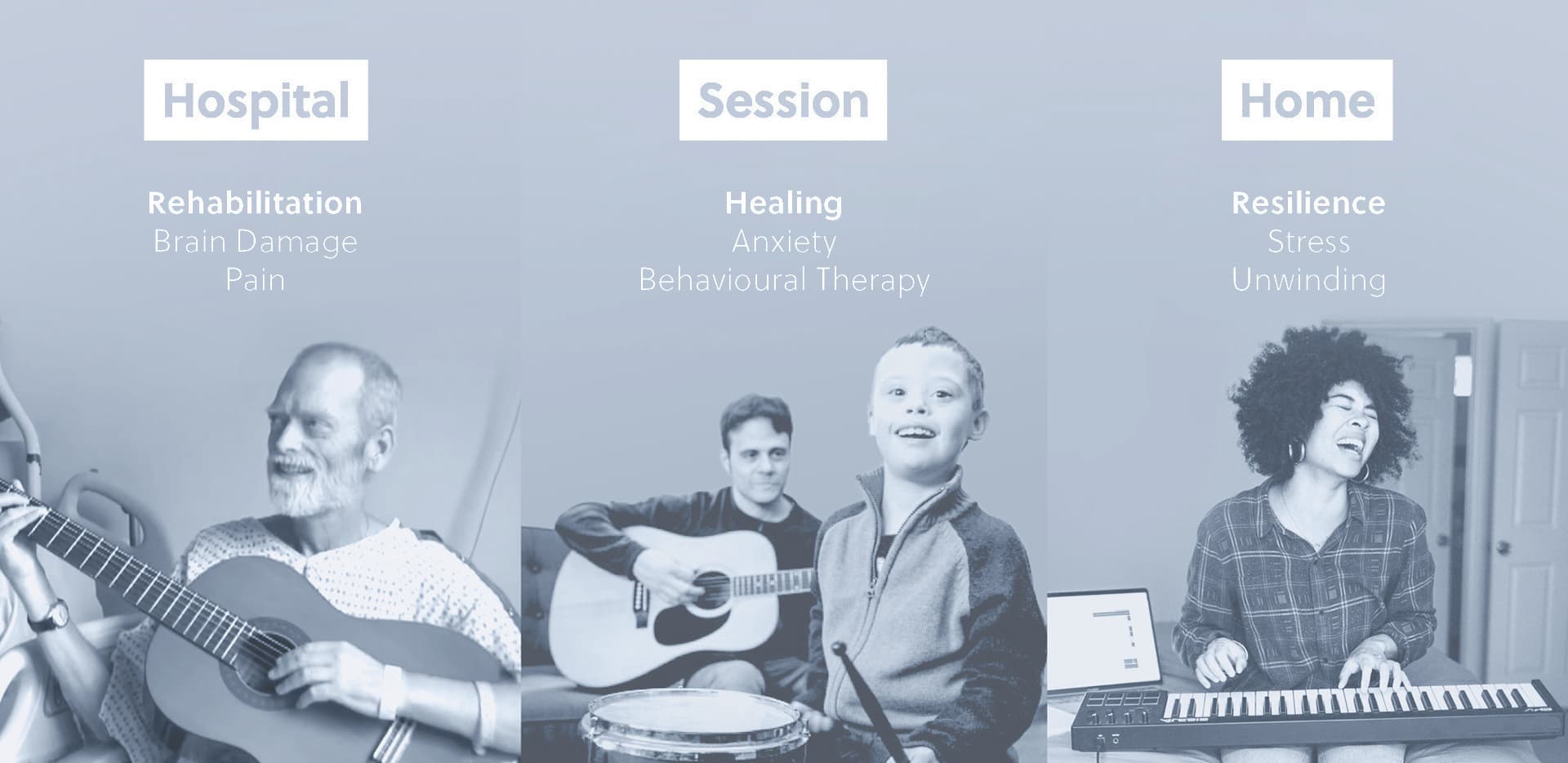
In music therapy experts tap into the inherent power of music and creativity by using simple instruments to create music with people in need. It is used in hospitals for pain management, in neuro-rehabilitation for patients with brain injuries or dementia, in classic therapy sessions for anxiety and mental health, and at home as a tool for stress and resilience.
Session roadmap
Every session is
a dialogue.
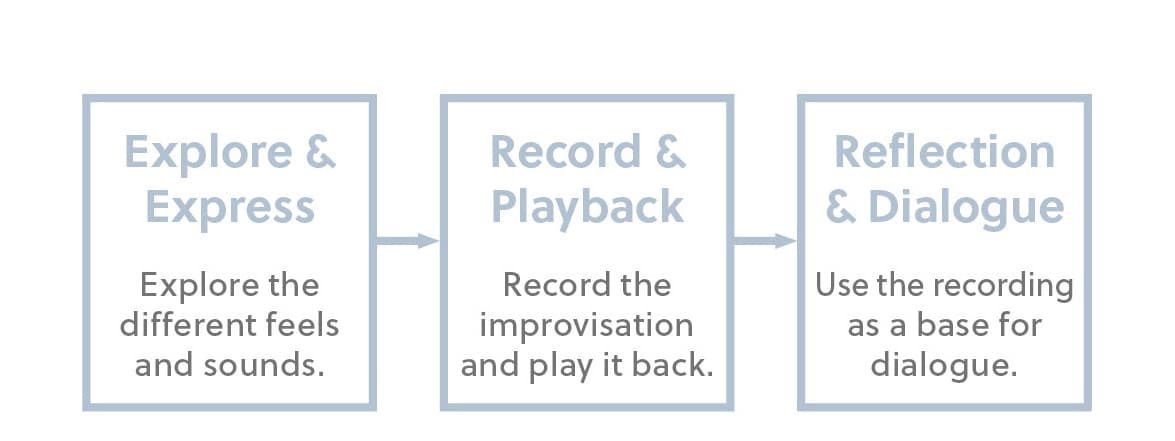
Not every session is the same — the therapy is navigated by the therapist according to the specific needs of the patient. But generally it follows a structure centred on three questions: How does the sound make me feel? How was my music perceived? How did I perceive others?

"People in musical therapy need tailored tools
that give
intuitive access to a wide range of expressions,
guide and support them,
and facilitate dialogue."
Instruments
The existing tools
leave a gap.
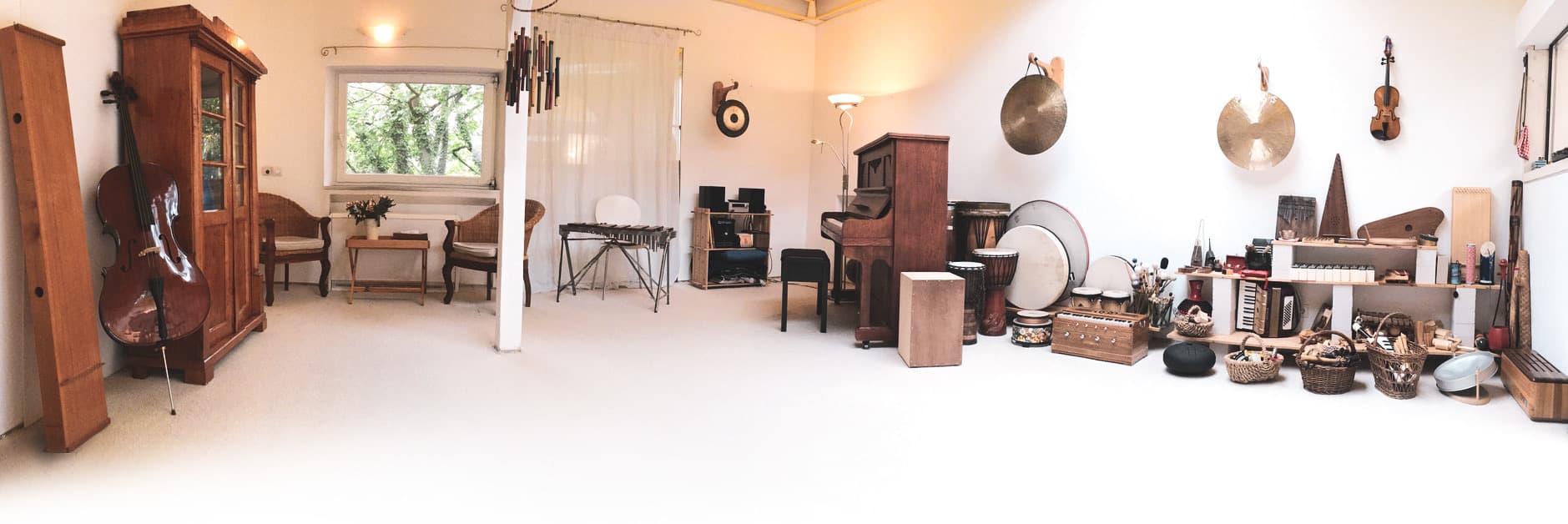
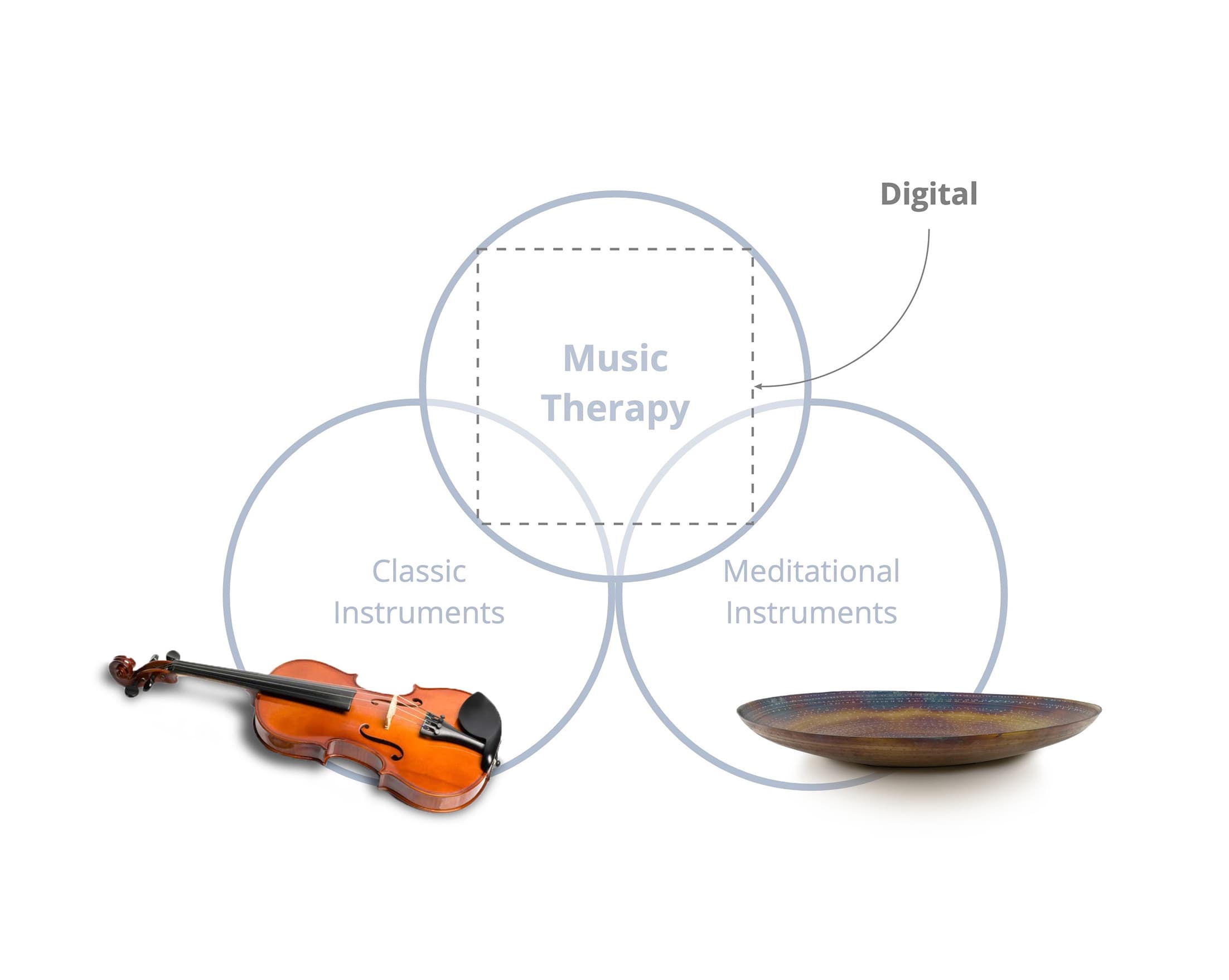
Music therapy currently makes use of different classic and meditational instruments. All of these are analogue while the potential of digital instruments is not yet explored — an opportunity to design something new.
Idea Exploration
Sketching directions
for interaction.
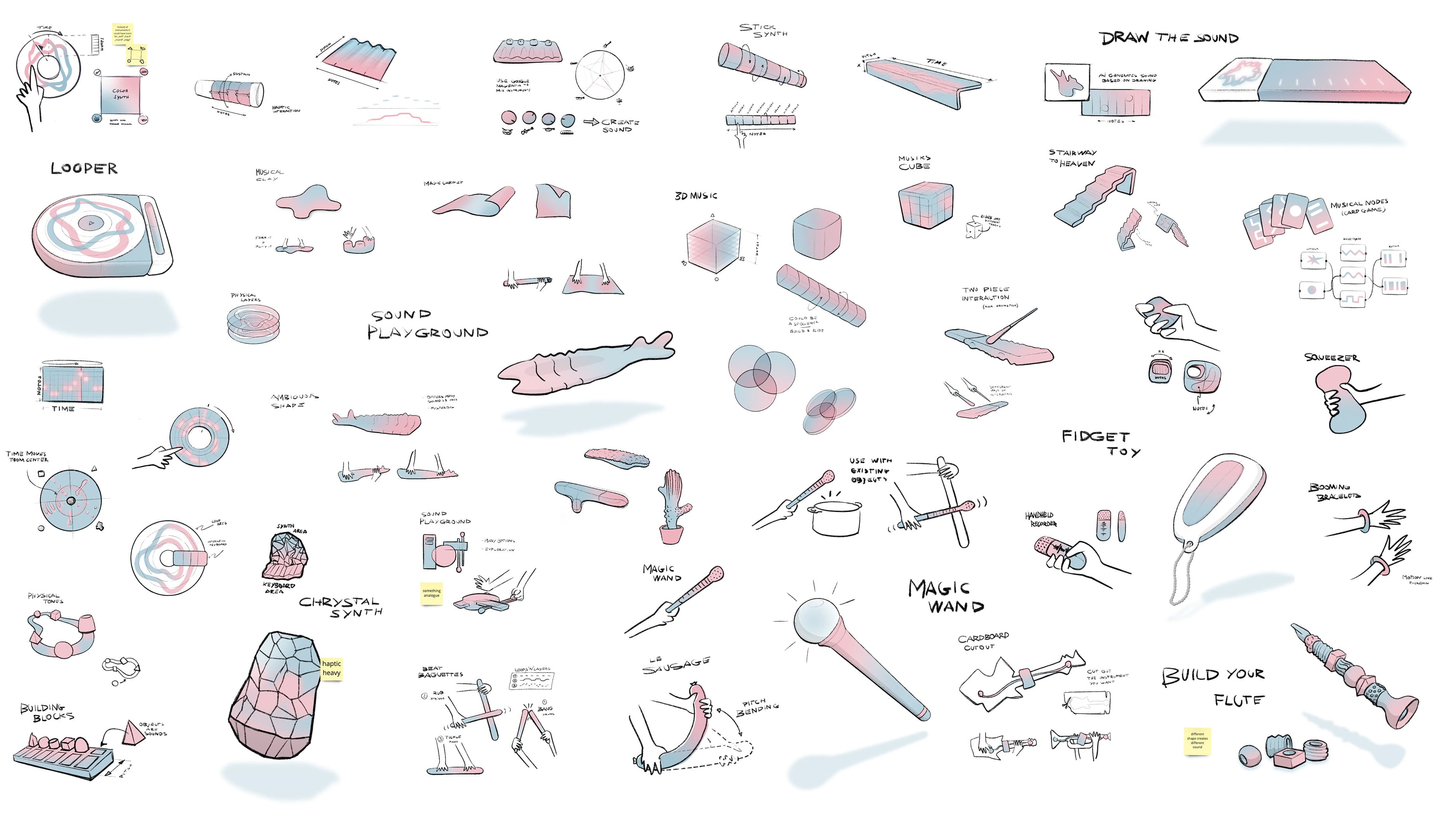
Early ideation sketches were used to explore different ways of interacting with the device as well as different ways of arranging notes and tones.
User Testing
Prototyping,
testing & evaluating.
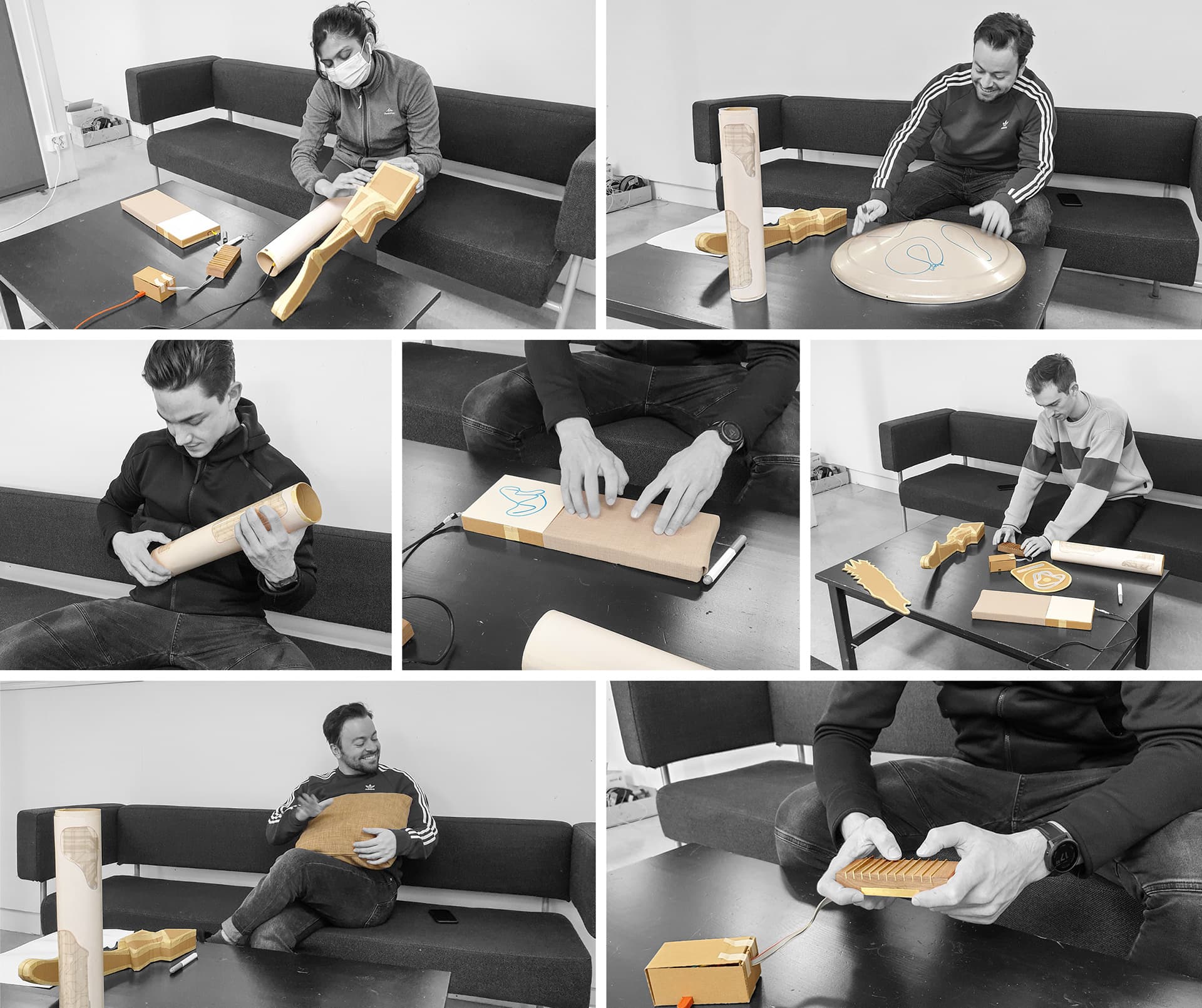
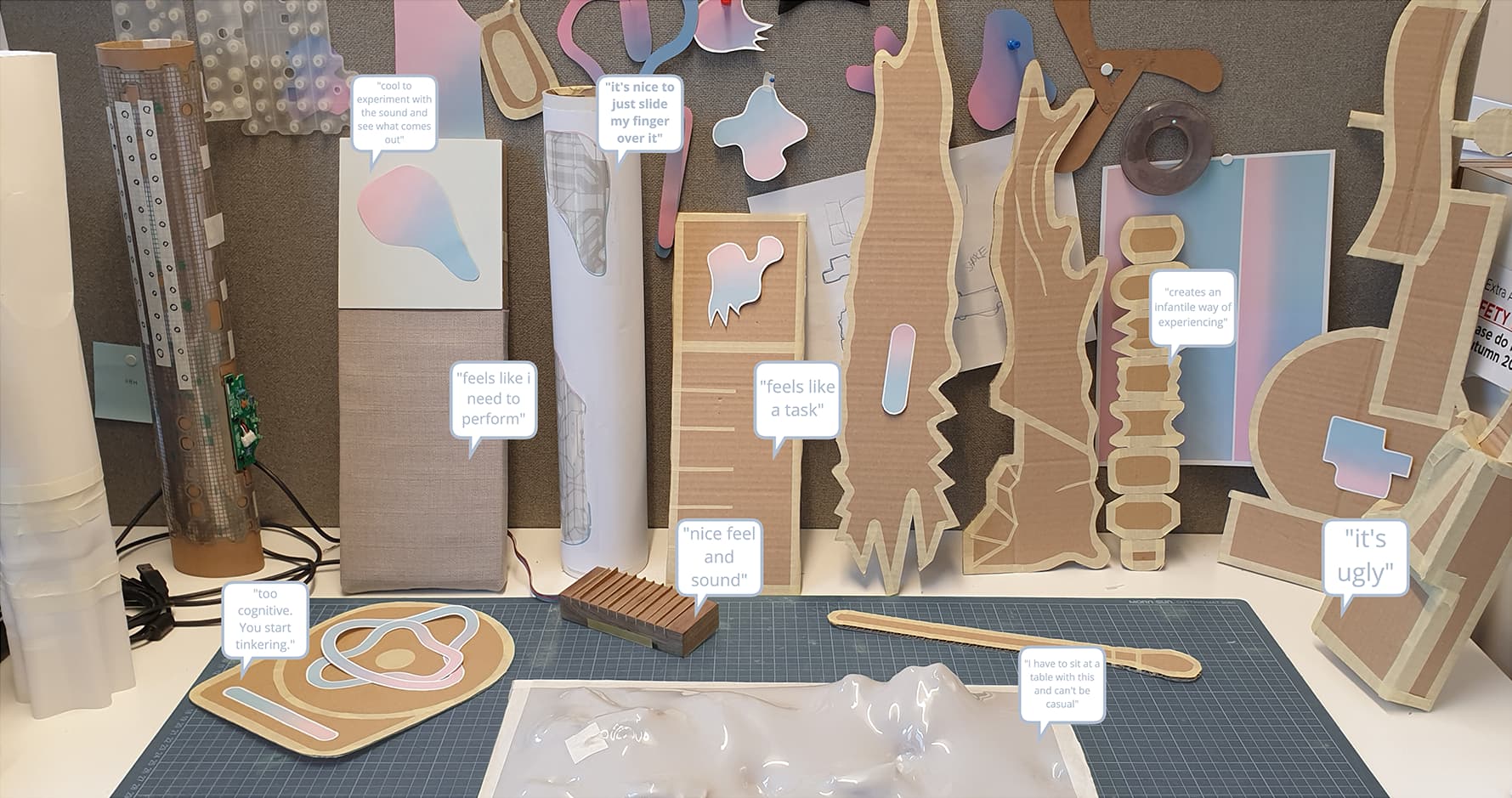
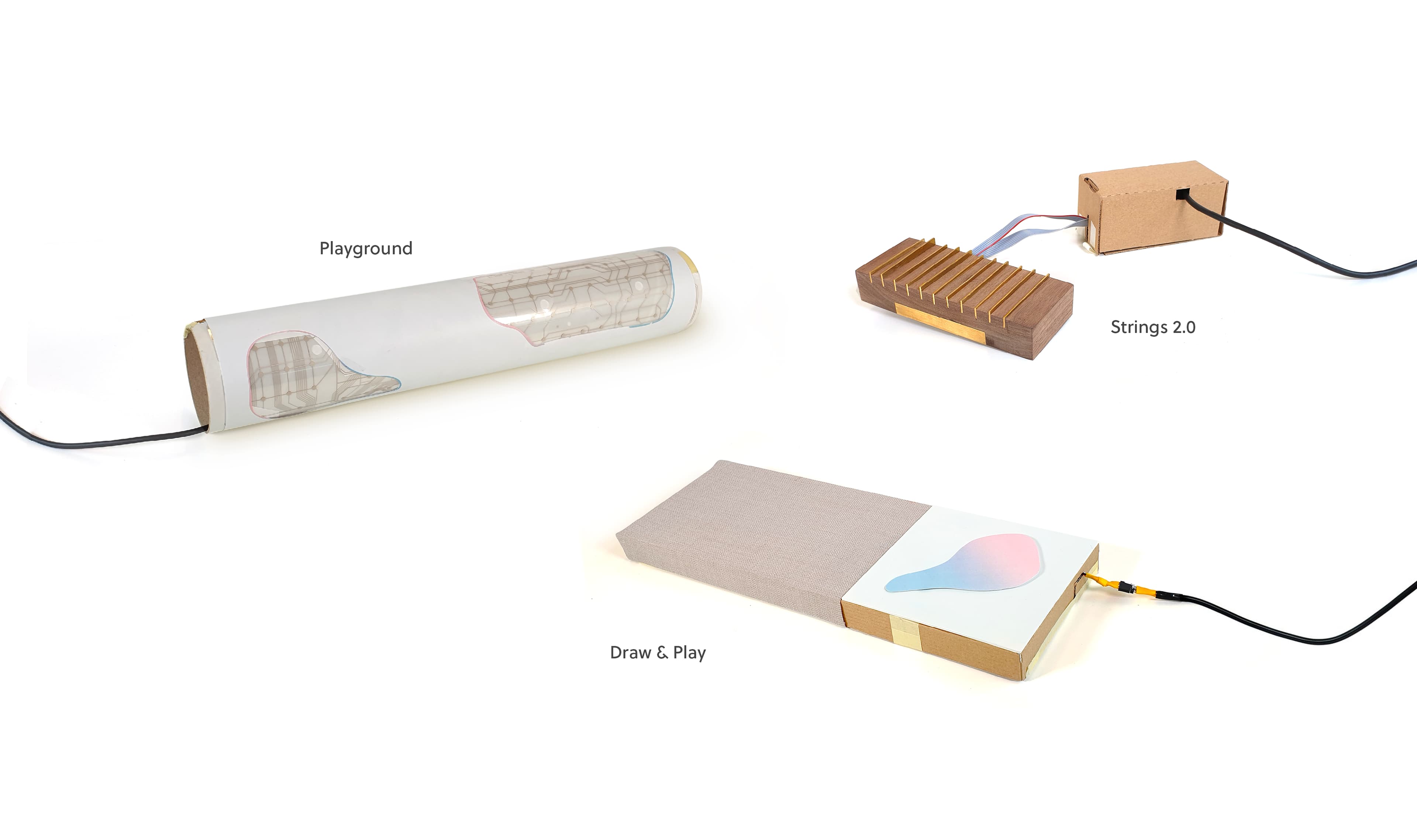
To evaluate early directions with expert therapists remotely, I made quick cardboard mock-ups of 6 concepts and produced video clips with sounds laid over them — showing how each device would work without a functional prototype. The most promising directions were then developed into interactive prototypes, hacked from computer keyboards, and tested hands-on with people to experience the concepts first hand.
"Improvisation is not about playing a song,
it is about intuitive expression."
Toba
An instrument tailored
for music therapy.
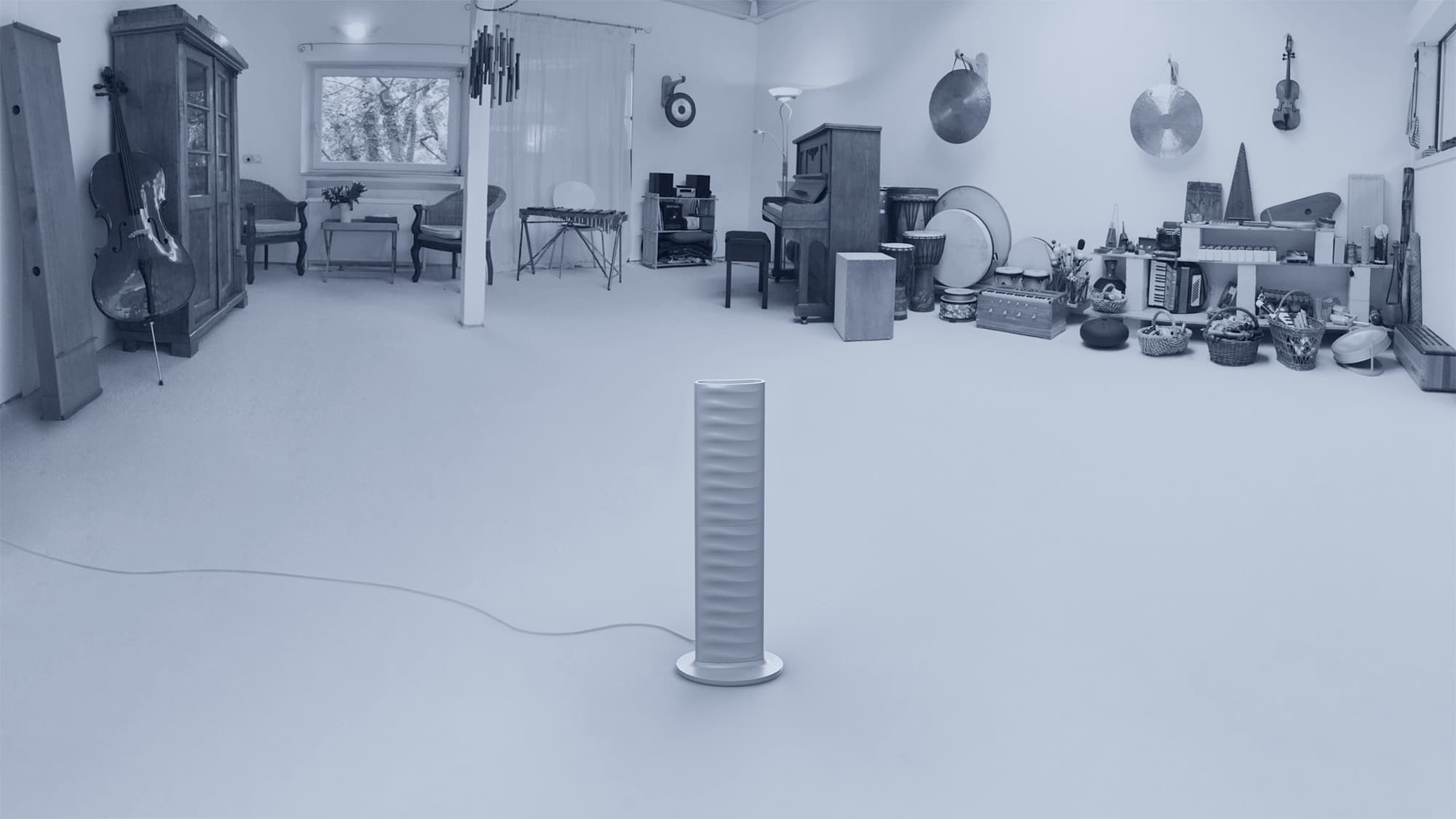
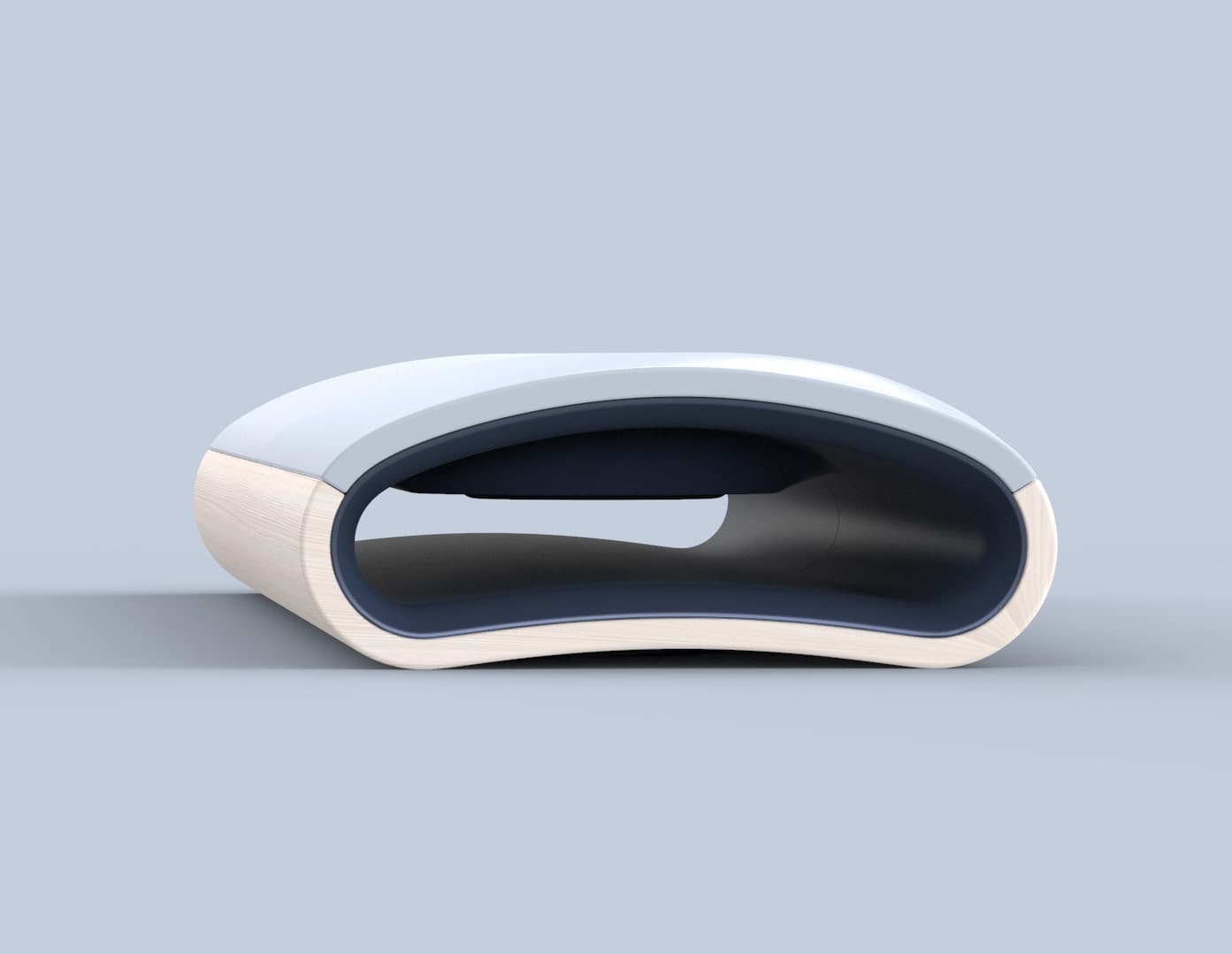
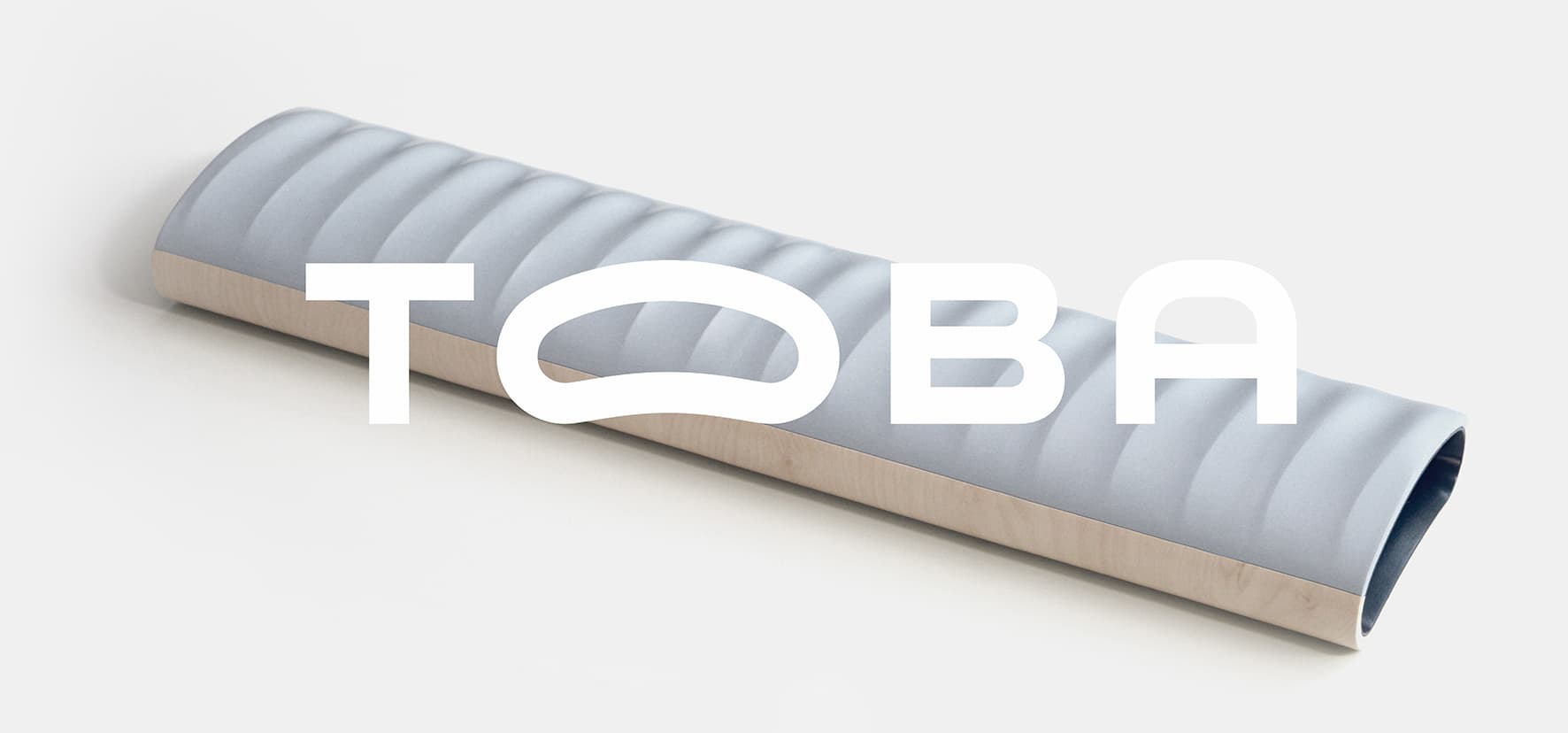
Toba is a musical instrument designed specifically to enhance music therapy. The intention is to give the user intuitive access to a wide range of expressions and facilitate improvisation as well as dialogue with the therapist, thus increasing the therapeutic effect.
In the therapy setting
Improvisation and
reflection.
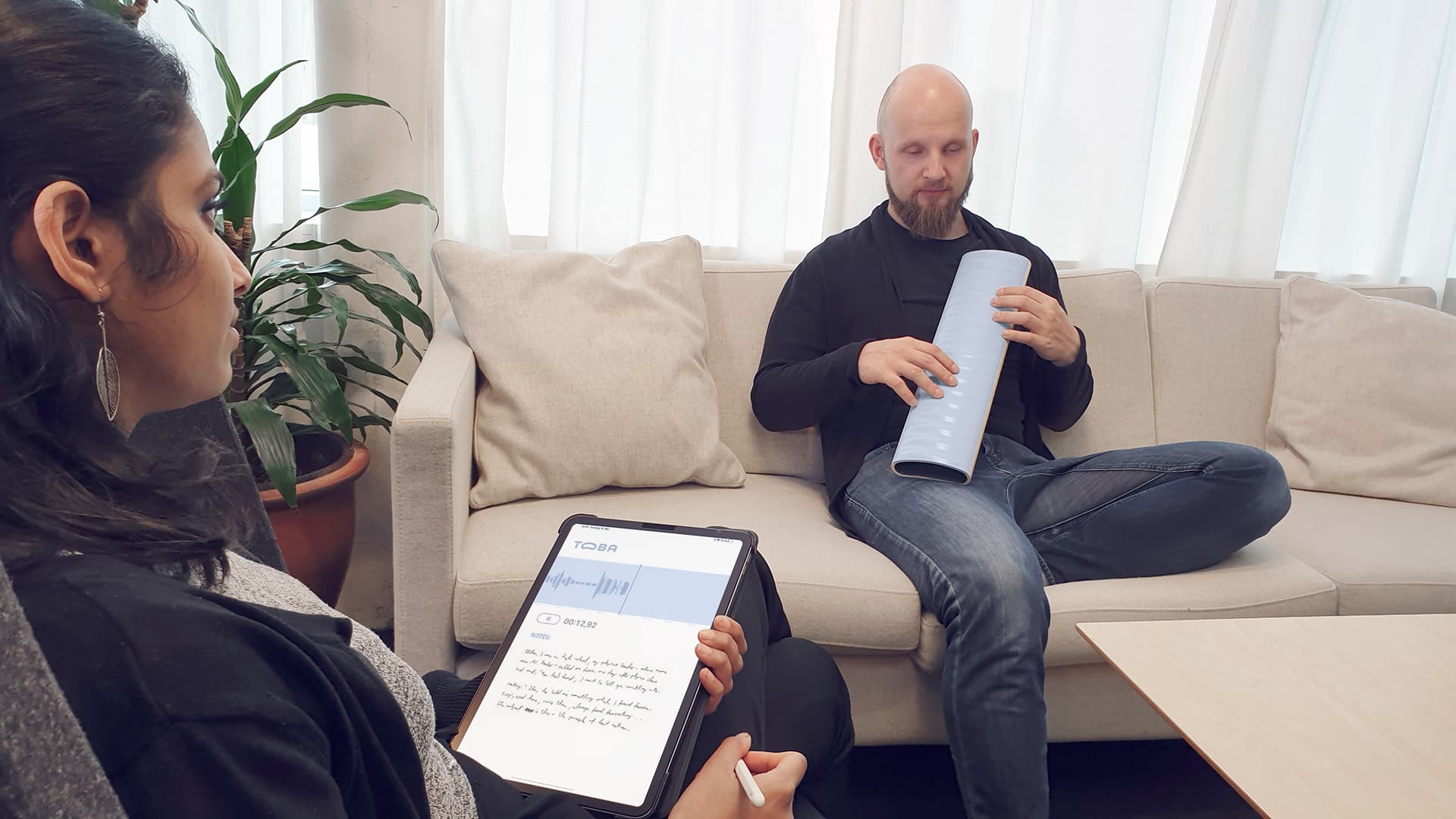
In a therapy setting, Toba can be used by the client to let go and enter a meditational state while improvising and focusing on the emotional experience. The therapist uses the app to record the improvisation including ambient sound — capturing singing and verbal comments. The recording is then played back as a base for dialogue and reflection.
Tactility
Four timbres,
two tactile areas.
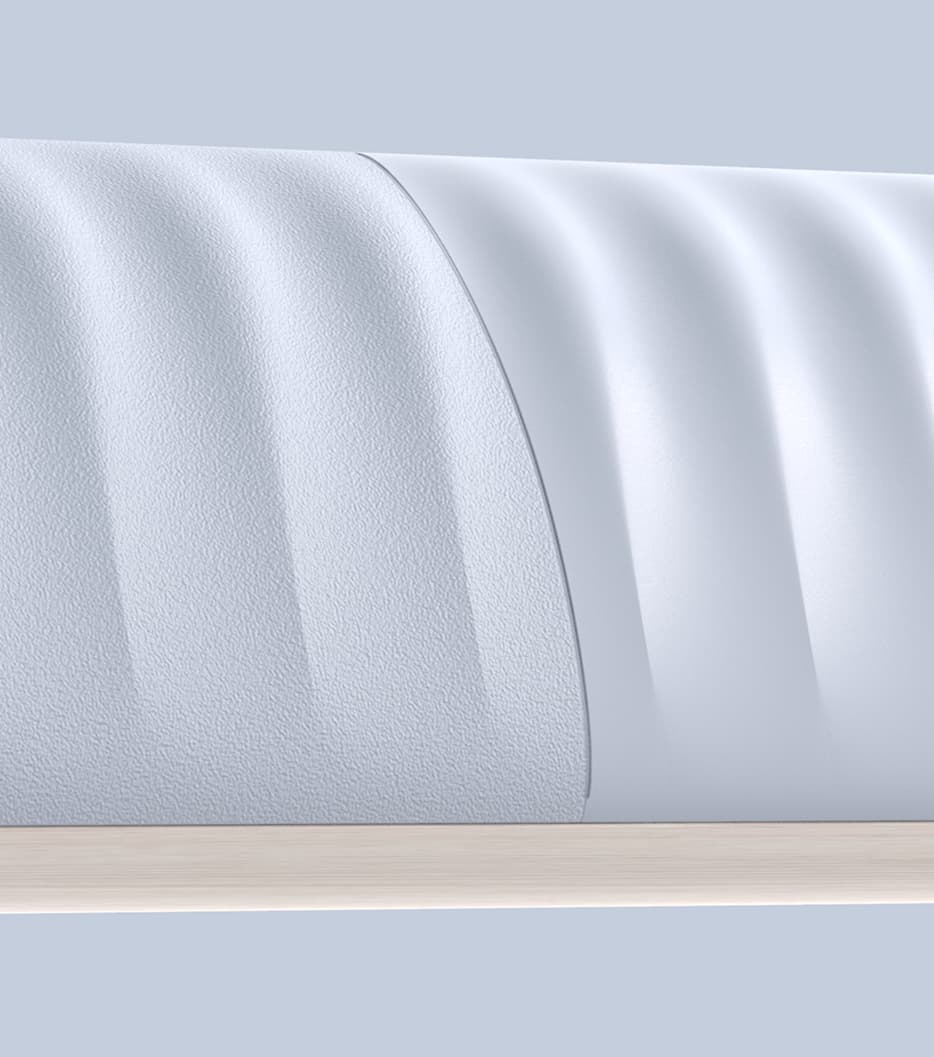
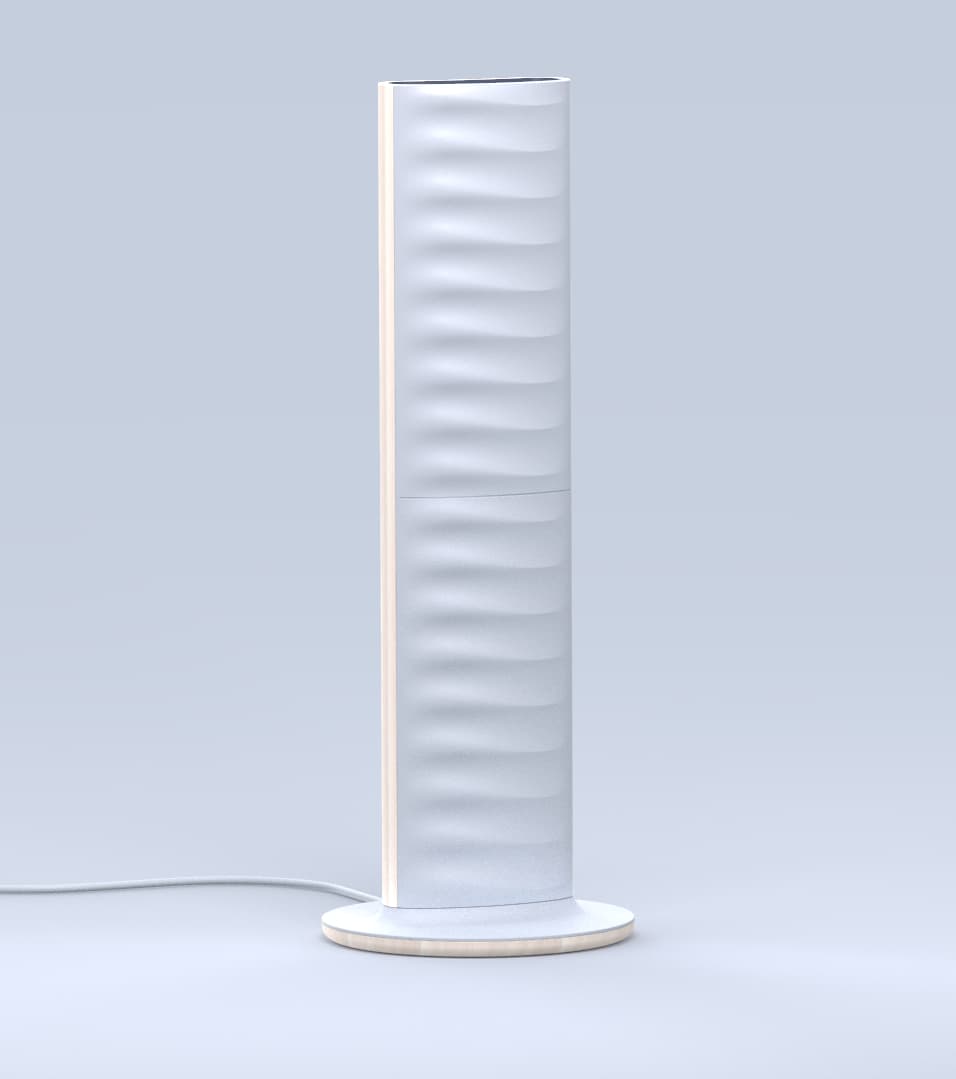
Toba has a large interactive play area divided into two tactile areas. Each area has two base timbres that blend into each other seamlessly. The different timbres are represented in the surface pattern and different textures further distinguish the two areas.
Light Guidance
Optional surface
feedback.
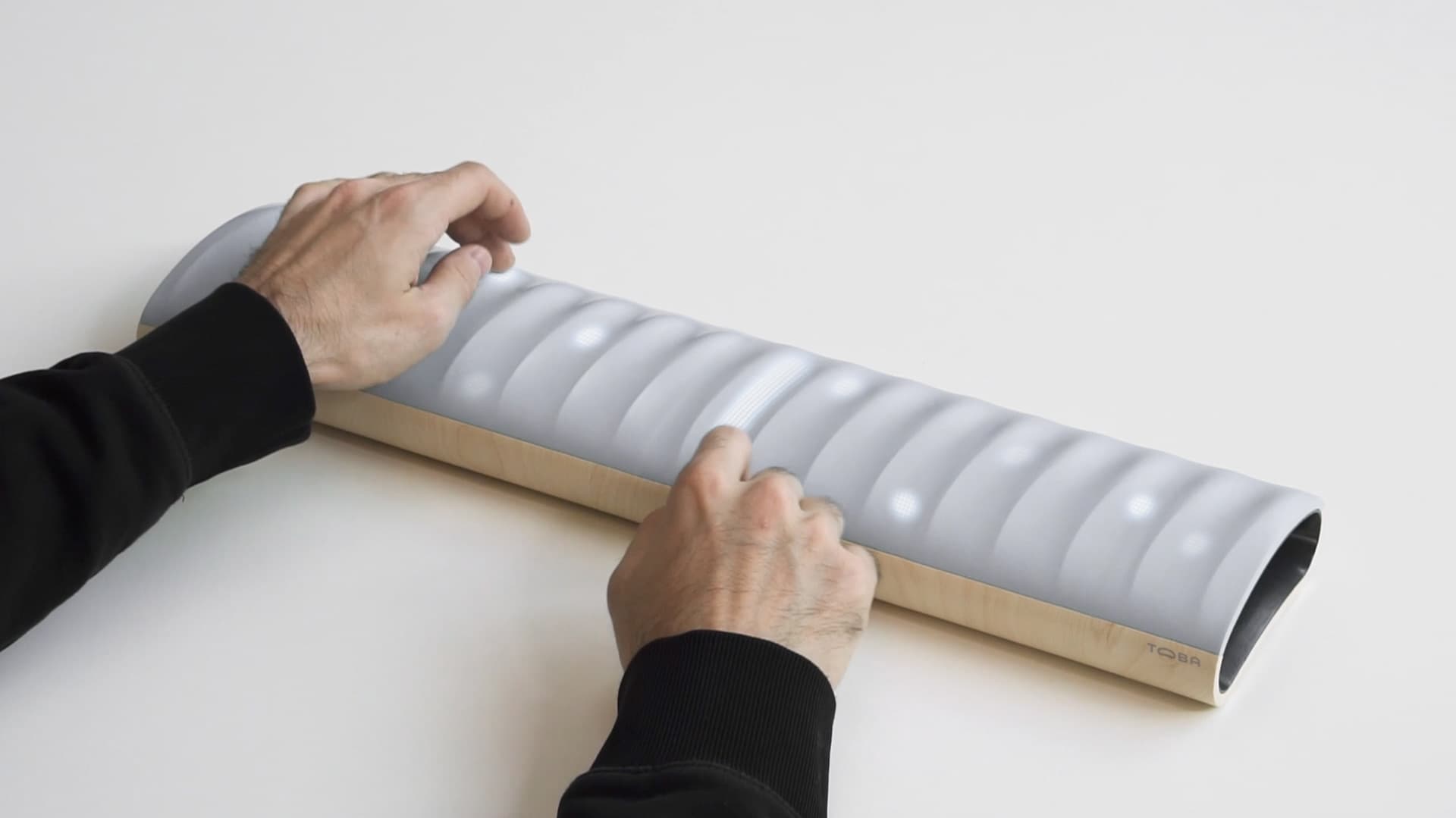
A feedback feature can be turned on via the Toba app that lets the surface light up wherever it is touched before the light slowly fades out. This feature is optional since some clients may find the lights distracting.
Speakers
The sensation
of a real instrument.
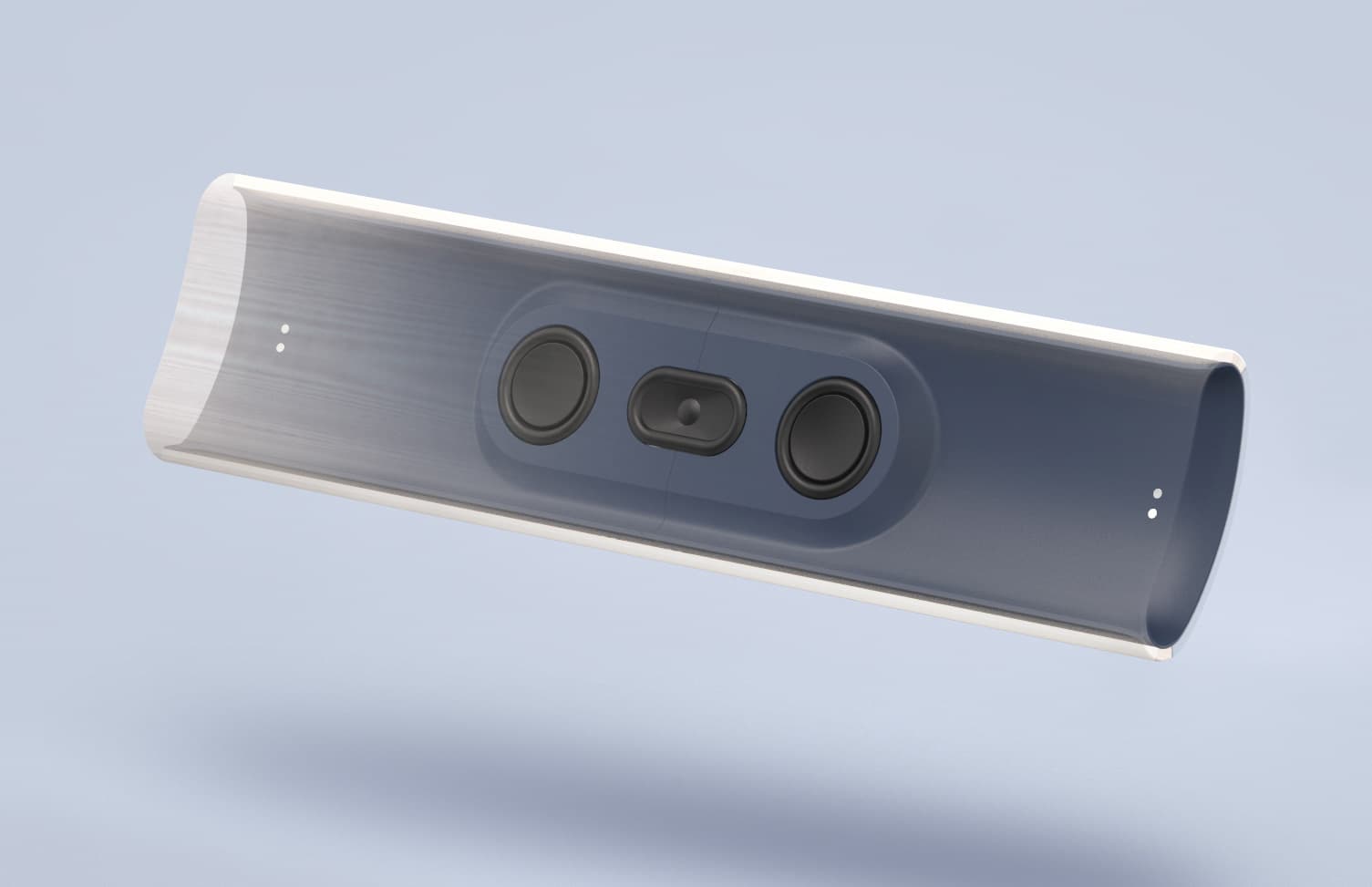
The internal speakers are oriented toward the user, turning the body of Toba into a resonance chamber — much like a guitar or cello. Paired with a wooden construction, this gives the sound physical warmth and presence. You don't just hear the music. You feel it.
Charging Base
Sculptural when
not in use.
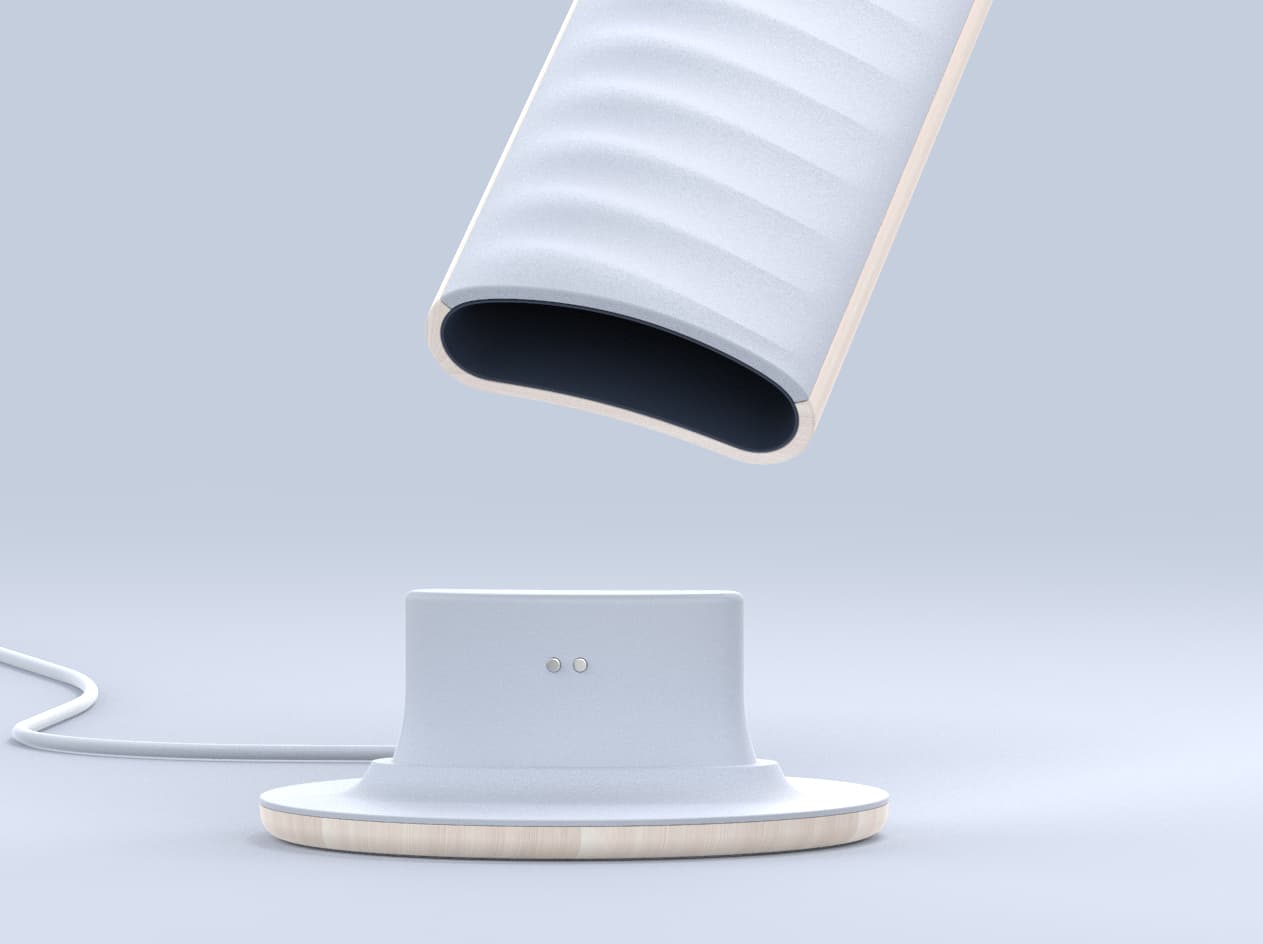
The charging station puts Toba in an upright position when not in use, adding to its sculptural character and making it more inviting to touch and play. Toba has charging contacts inside both openings — no need to pay attention to which way it is placed on the charger.
Benefit
Expressing what cannot
consciously be expressed.
Toba is an instrument specifically tailored for music therapy. By limiting the possibilities in some ways and giving more freedom in others it facilitates improvisation and exploration. furthermore Toba improves the connection between therapist and client by facilitating dialogue and helps reflecting upon the emotional experience.
Individual project completed in 2021 as part of the Advanced Product Design Programme at Umeå Institute of Design. Nominated for the UX Awards 2022.